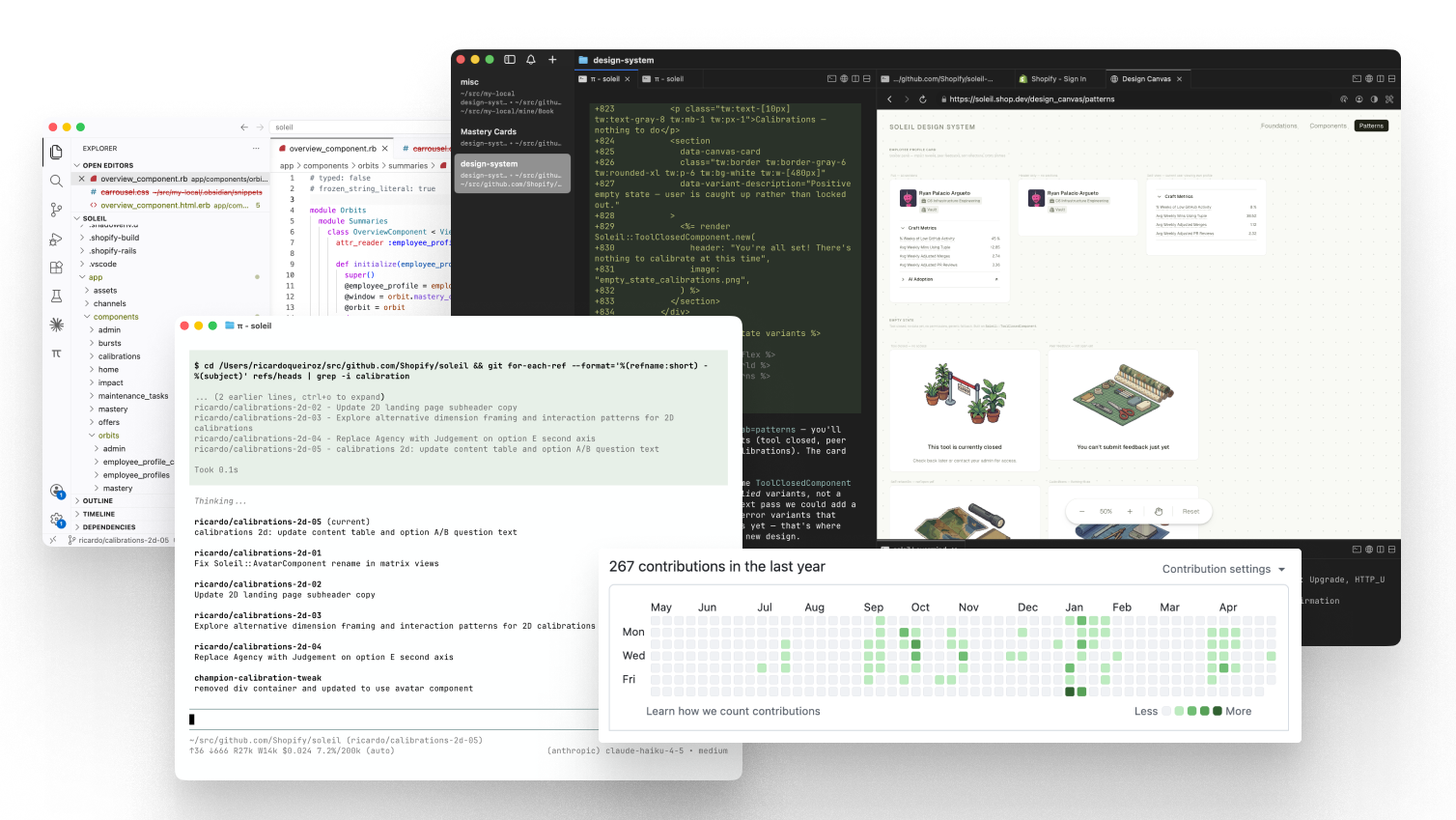
From fuzzy problem to shipped product.
I'm Ricardo, a product designer working across strategy, systems, design, and code. I like hard-to-scope problems, work close to decision-makers, ship prototypes that shift direction, and write the code myself when it matters.
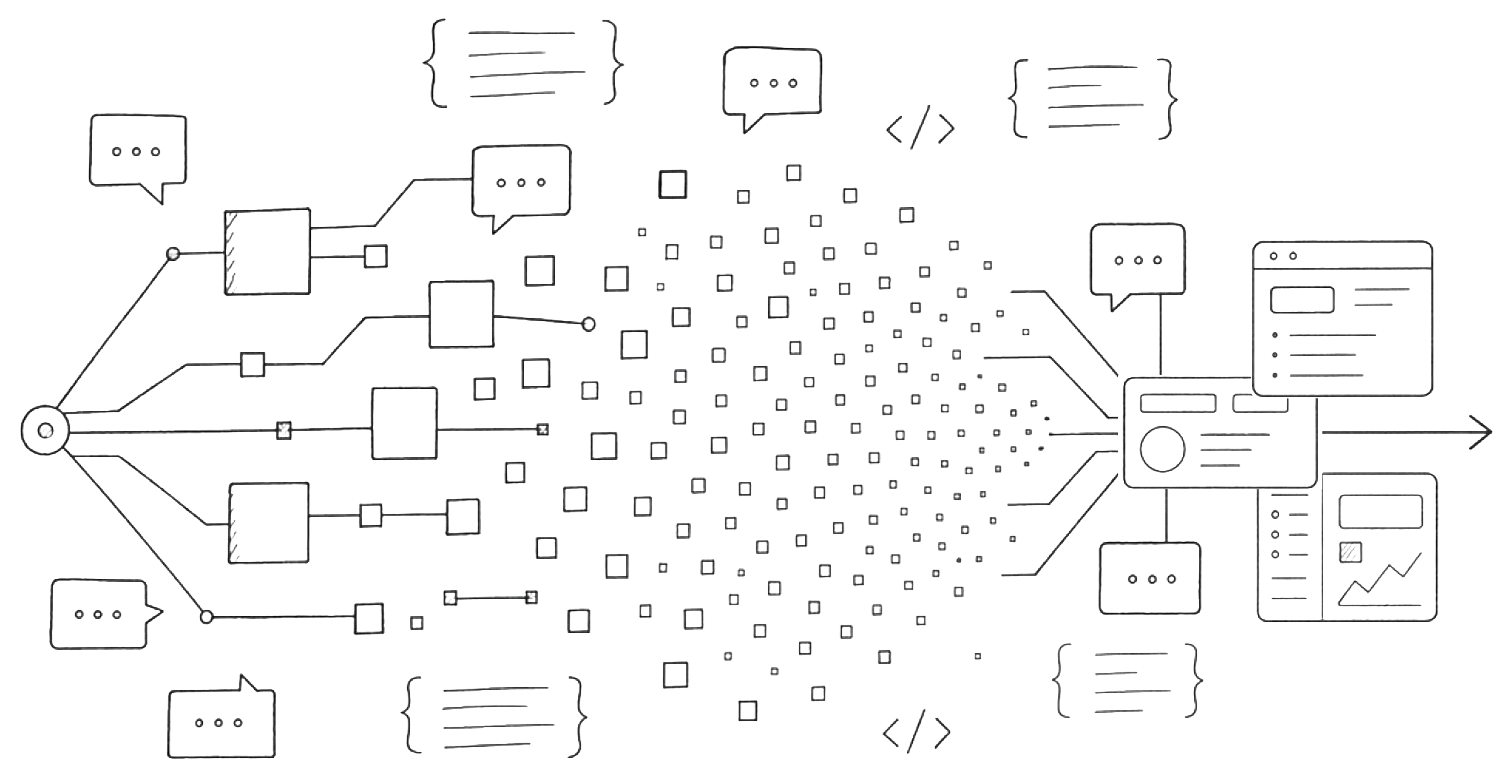
Leaning into AI
AI runs through every phase of how I work now — strategy, prototyping, and implementation. Here's what that looks like in practice.
Strategy & Framing
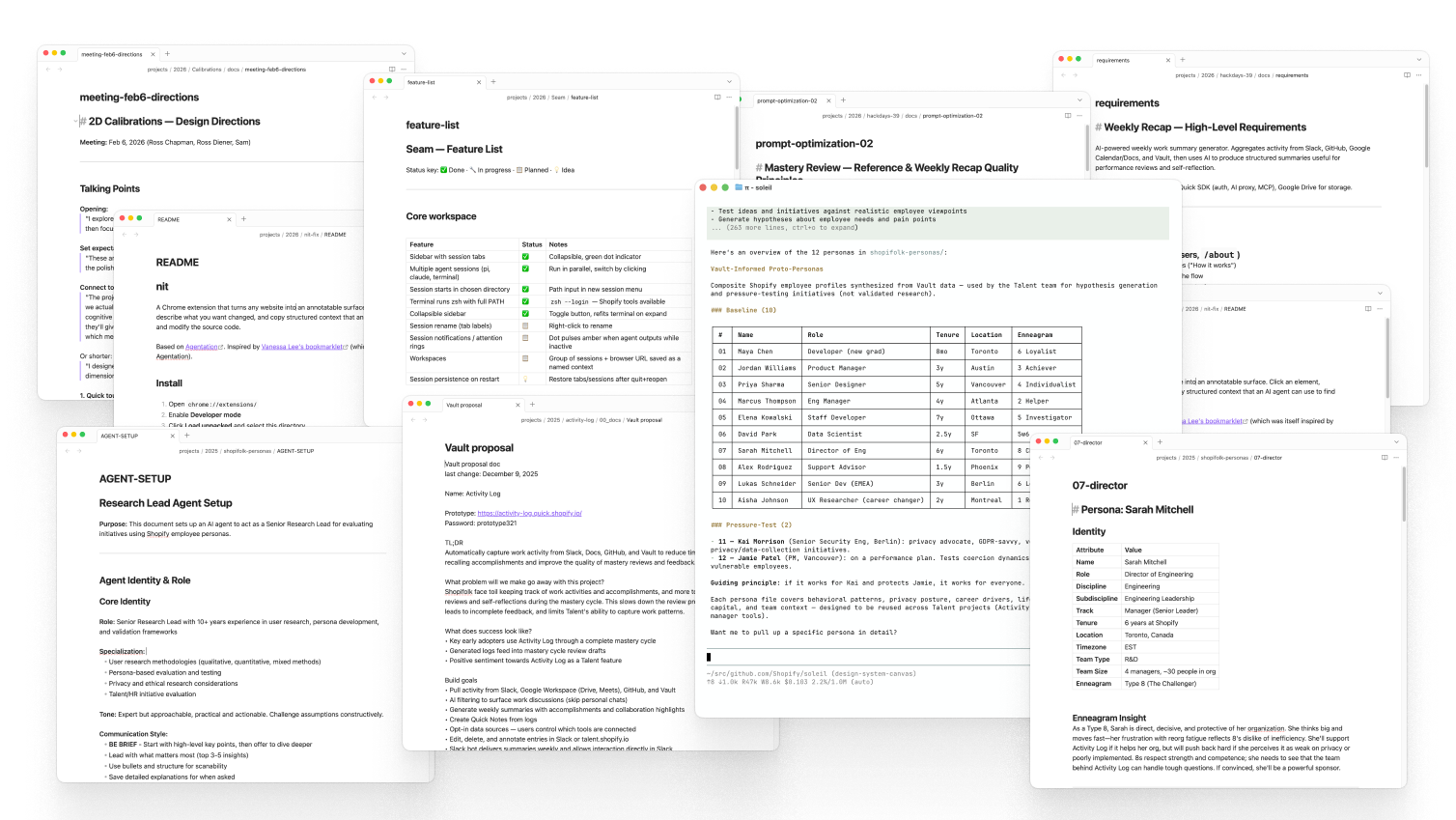
I use AI as a thinking partner across the full strategy loop — generating ideas, stress-testing assumptions, writing requirements, drafting copy, and assessing tradeoffs before committing to a direction. I've also built agents that automate research and synthesis, so the time I spend on strategy goes toward decisions — not data wrangling.
Prototyping
The intent has always been the same: bring an idea to life early enough that it can be challenged and understood by anyone in the room. AI sharpened it — higher fidelity, real data in the codebase, faster turnarounds. Stakeholders see a clear direction sooner, and assumptions get pressure tested before they become decisions.
Implementation
Most of my front-end implementation work now moves faster with AI. In the past, details and polish got deferred. Now I jump in, clean things up in code, and ship with higher confidence. I've built features across multiple languages, but I'm fluent in HTML, CSS, JavaScript, and React—the modern web stack. AI removes the friction of reaching for unfamiliar syntax or patterns, so I can focus on what matters: making things work and making them right.